
Immortality’s Promise and Cost
A History of the Vampire in Popular CultureThis thread follows the movement from fantasies of eternal youth toward recognition that endless life may become punishment.
increasing Bearing strength in each event
 decreasing
Bearing strength in each eventdecreasingYouthful Escape

Youthful Escape
Beyond Mortality
The modern vampire promises escape from ageing, weakness, and social limitation. Eternal life appears especially attractive in cultures marked by disease and early death.
Beauty as Evidence
Physical glamour disguises the cost of transformation. The vampire is desirable because fiction allows immortality to preserve the body rather than merely prolong existence.
Longevity and Wealth
Longevity and Wealth
Accumulated Power
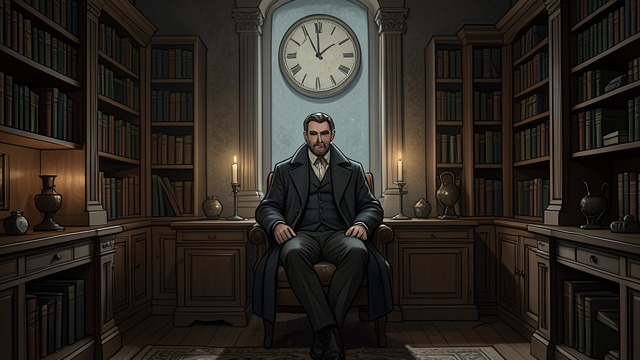
Count Dracula’s centuries provide money, education, and social polish. Immortality is translated into practical advantages that make movement through the human world possible.
Isolation Beneath Luxury
The same time that produces refinement also deepens solitude. Wealth protects the Count while leaving him emotionally fixed in old grief and resentment.
Immortal Childhood
Immortal Childhood
Bodies That Refuse Time
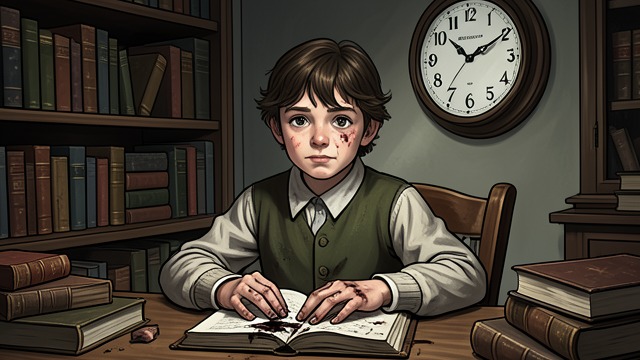
Claudia and Eli expose the horror of a mature consciousness trapped in a child’s body. Their existence breaks the assumption that eternal youth is automatically beautiful.
Ethical Discomfort
The stories force audiences to confront sexuality, agency, and responsibility when physical age and mental age diverge. Immortality becomes a condition of permanent dislocation.
Eternal Decay
Eternal Decay
The Failed Gift
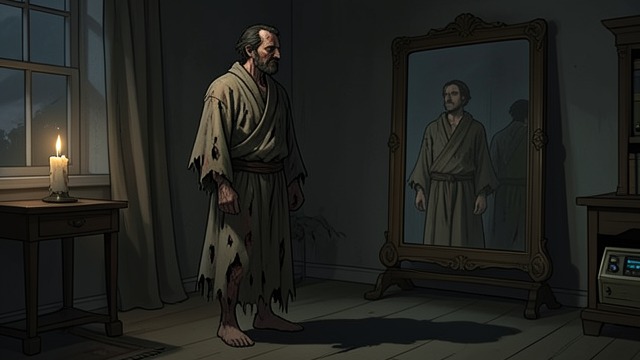
John receives eternal life from Miriam but not eternal youth. His body rapidly becomes a prison, revealing the cruelty hidden inside her promise.
No Final Release
Miriam stores former lovers rather than killing them. The Hunger converts immortality from glamorous reward into conscious, unending abandonment.
The Last Release
The Last Release
Choosing Death
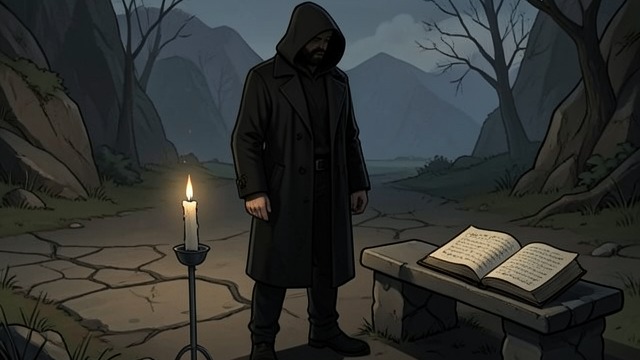
The final reflections recognize that Dracula’s deepest desire may be an ending. Death offers relief from shame, repetition, and the burden of surviving everyone else.
Finite Meaning
The book concludes that mortality gives urgency to love, art, and action. Immortality remains alluring precisely because it can never be safely possessed.
early vampire literature
Dracula’s arrival in London
the twentieth century
1983
the epilogue
